Key takeaways
- Ventilation moves moisture and dust out, and insulation moderates temperature.
- Metal buildings need condensation control.
- Horse barns need airflow more than heat.
- Shops and living spaces benefit from air sealing and insulation.
Why ventilation matters
Animals breathe out moisture and stalls produce ammonia and dust. Without airflow, humid air condenses on cold surfaces and the barn becomes damp and unhealthy. Open eaves, ridge vents, cupolas, windows and doors create cross-ventilation and a stack effect that carries stale air out.
Insulation in barns
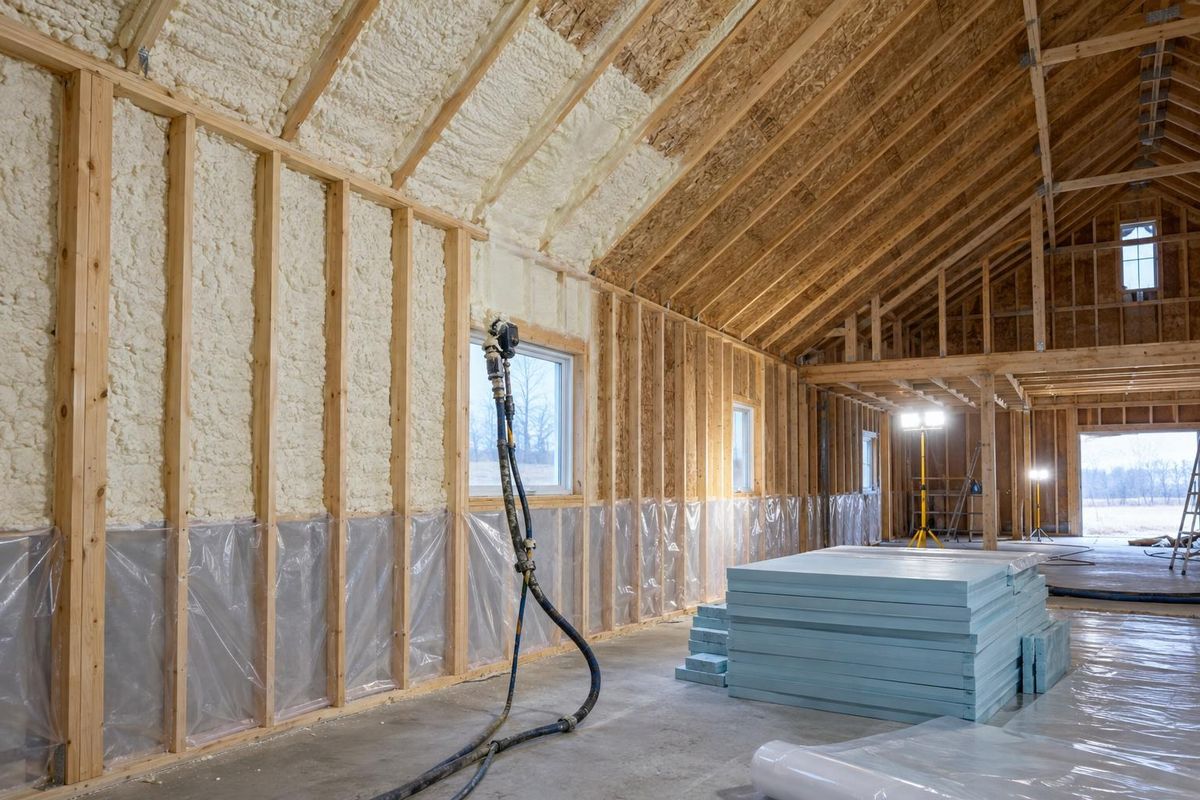
In animal areas, insulation helps with condensation and temperature swings but does not replace ventilation. In shops, tack rooms and living areas, insulation and air sealing make heating and cooling effective. Spray foam, batts and rigid board are common choices.
Condensation in metal buildings
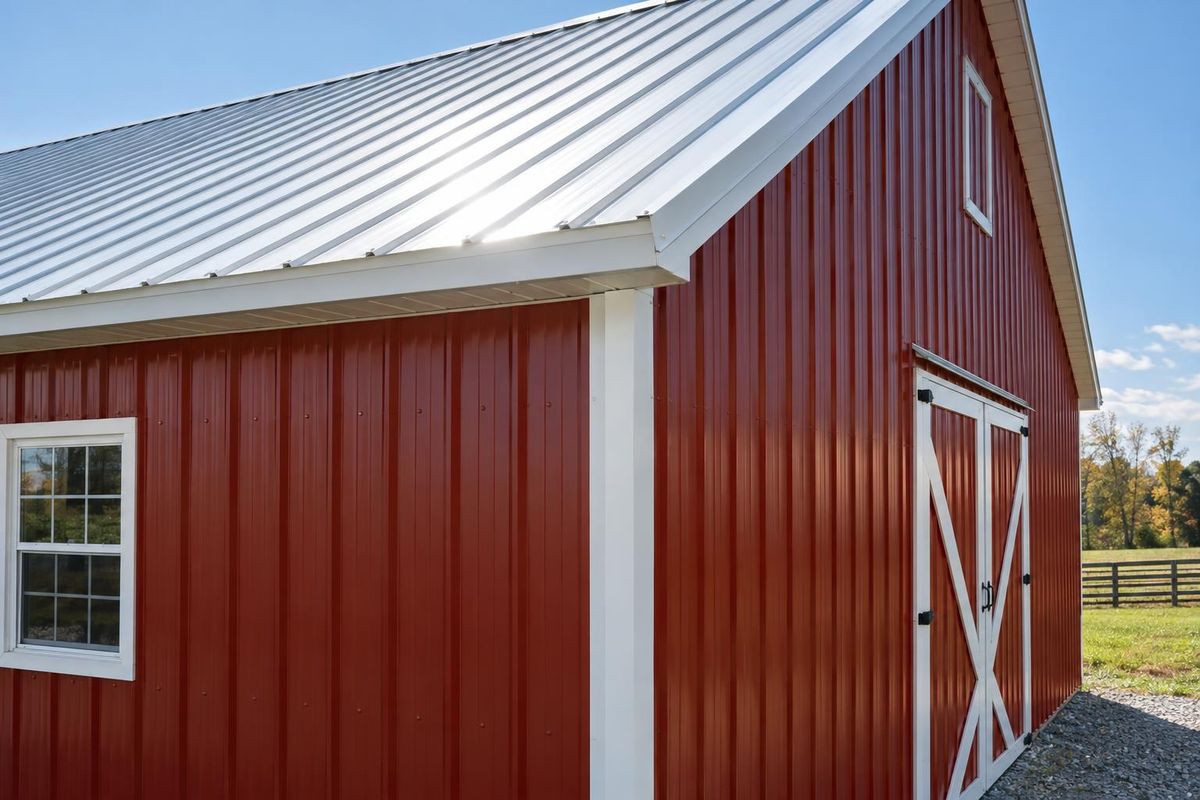
Metal gets cold at night and warm air condenses on it, dripping inside. Underlayment, spray foam or insulated panels reduce the problem, and ventilation carries moisture out.
Putting it together
Start with airflow, add insulation where people or equipment need comfort and control moisture throughout. A balanced plan keeps a barn healthy in every season.
Quick answers
Should a horse barn be airtight?
No. Horses need fresh air, so good ventilation matters more.
Do I need a vapor barrier?
Often, especially in metal buildings and conditioned spaces. We recommend what suits your design.
Can I add insulation later?
Often yes, after an inspection of the structure.